
Is IPTV Legal? Global Guide (2025)
IPTV technology is legal worldwide. Legality depends on licensing: providers must hold rights to broadcast or stream the content they offer. This guide explains global rules, UK/US/Canada frameworks, how to identify legal services, and how Smarter IPTV ensures compliance.
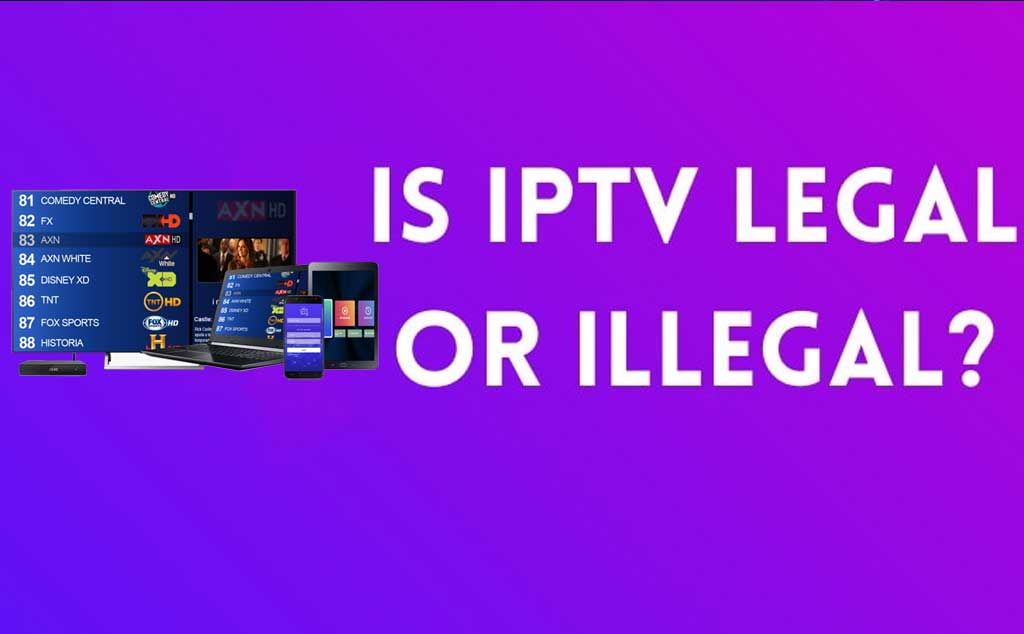
See regulatory context: Ofcom: IPTV • UK Copyright Act • UK IPO Copyright guidance • US DMCA.
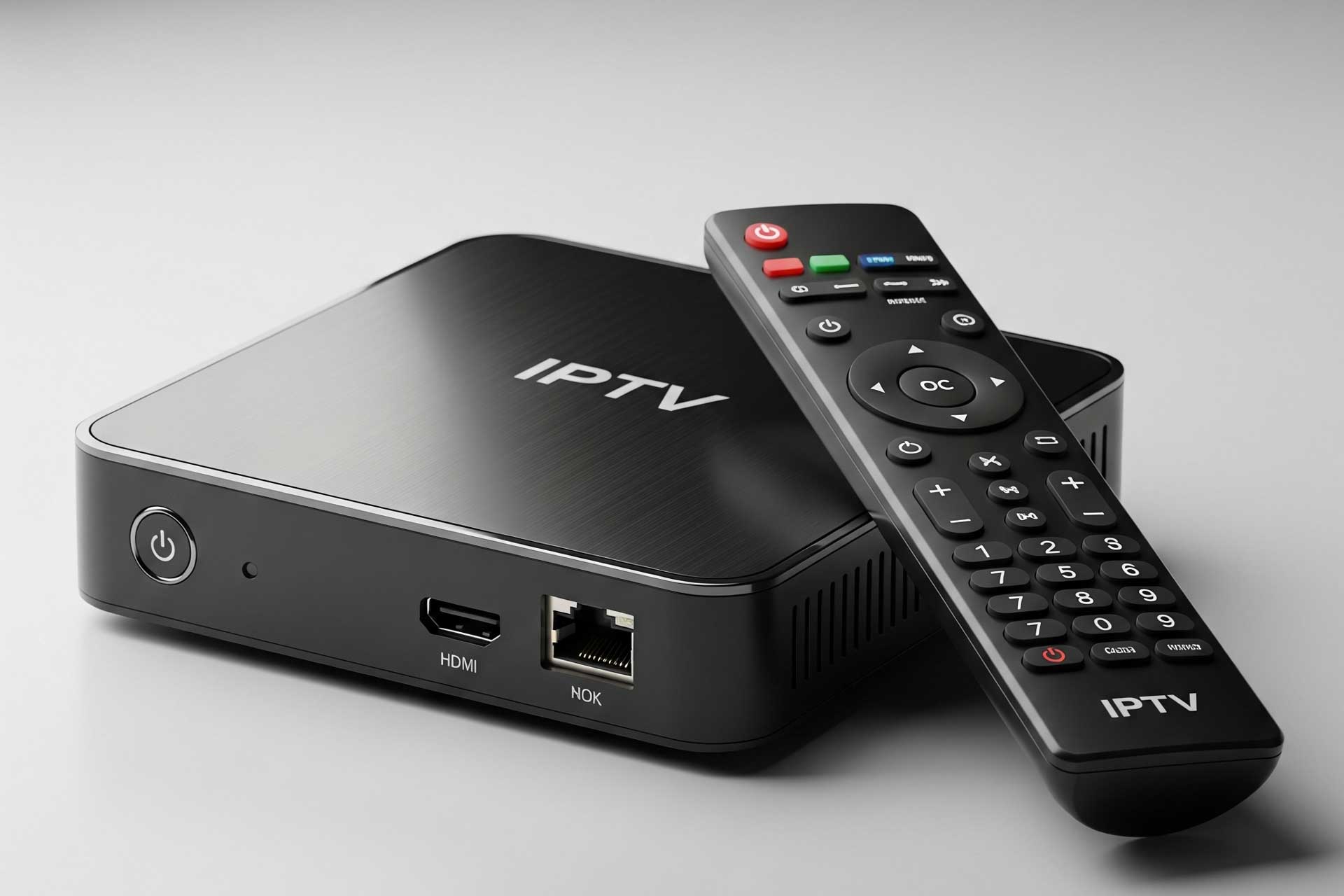
Legal IPTV: What It Means
IPTV delivers TV via IP networks. The technology is legal. Services are legal when they acquire content licenses and comply with broadcasting and telecom rules. Illegal IPTV distributes copyrighted content without authorization or circumvents territorial restrictions.
Licensing
Legal IPTV requires content distribution rights from copyright holders.
Compliance
Providers follow broadcasting, telecom and consumer protection rules.
Transparency
Clear pricing, support, terms, and traceable payment methods.
Security
Official apps, DRM, secure payments and privacy‑respecting practices.
UK, USA & Canada: Key Legal Notes
United Kingdom
Legal IPTV requires licensing under UK copyright law and alignment with Ofcom guidance for broadcast standards. The Digital Economy Act emphasizes penalties for serious infringement.
United States
Legal IPTV follows licensing and complies with DMCA. The Protecting Lawful Streaming Act targets large‑scale illegal streaming operations.
Canada
Legal IPTV requires licensing and adherence to CRTC rules and the Copyright Act. Geo‑restricted libraries and CanCon obligations may apply.
Global Treaties
Berne Convention and WIPO Copyright Treaty underpin copyright protection worldwide. Legal IPTV aligns distribution with territorial licensing.
How to Identify a Legal Provider
Official app listings
Presence on trusted stores (Apple, Google, Amazon) or verified distribution.
Traceable payments
Cards and reputable processors, not exclusively cryptocurrency.
Customer support
Visible contact, SLA expectations and responsive assistance.
Limited regions
Geo‑restricted libraries aligned with licensing territories.
Avoid red flags: exclusively crypto payments, huge channel promises at very low prices, sideload‑only apps and no visible support.
Smarter IPTV Is Legal
Smarter IPTV operates with a compliance‑first approach. We do not resell or host unauthorized content. We prioritize licensed distributions, transparent policies, secure payments and privacy‑respecting practices, and we optimize for regional network performance to ensure a reliable, lawful experience.
FAQ
Is IPTV itself legal?
Yes. Legality depends on licensing. Legal services obtain rights to the content they stream.
Do I need a VPN?
VPNs are optional for licensed services. Consider VPNs for privacy or if your ISP throttles streaming.
Can users be liable?
Using unauthorized IPTV may lead to fines or penalties depending on local laws. Choose licensed services.
How can I verify legality?
Check licensing statements, official app listings, payments and support visibility. Prefer providers with clear compliance posture.